
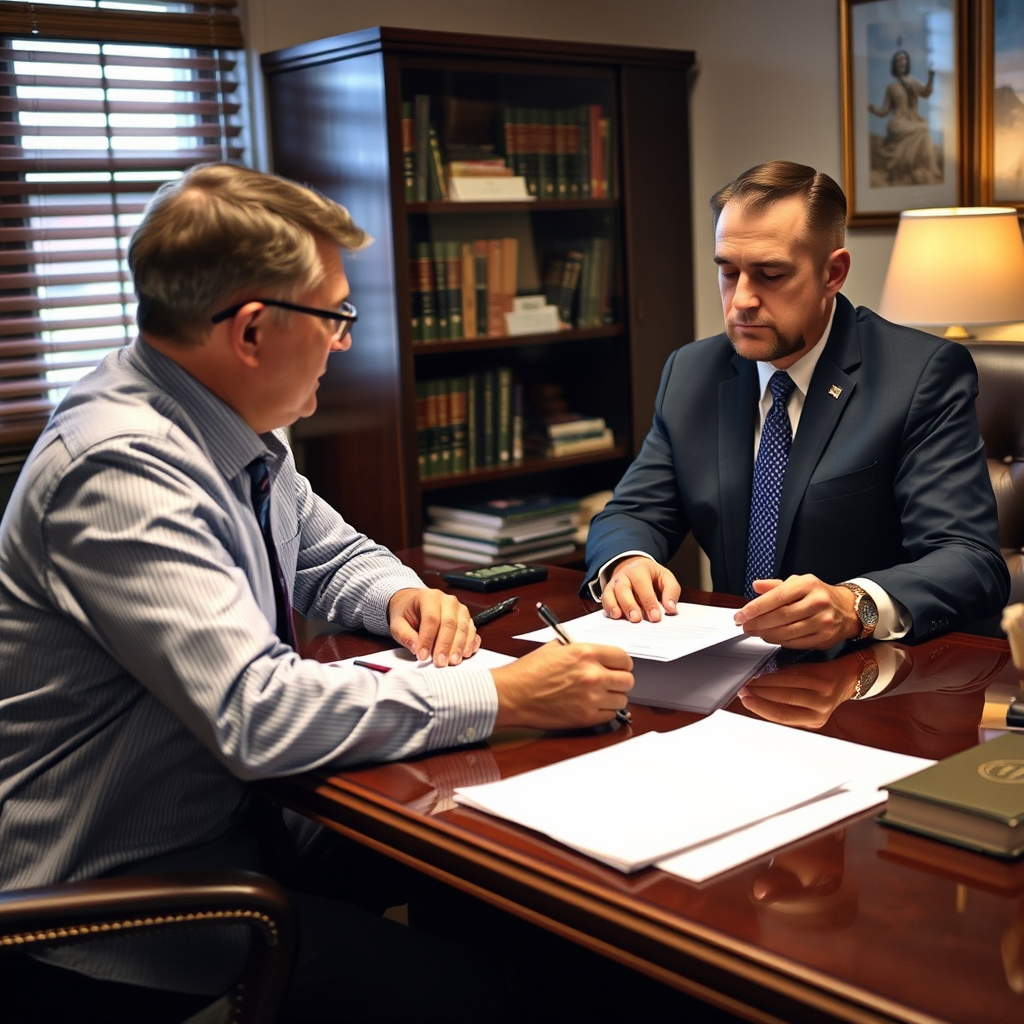
Facing a Second Offense DUI in Hampton, VA? Your Defense Starts Here
As of December 2025, the following information applies. In Hampton, a second offense DUI involves escalating penalties including mandatory jail time, substantial fines, and license suspension. This can significantly impact your life and future. The Law Offices Of SRIS, P.C. provides dedicated legal defense for these matters, working to protect your rights and mitigate the severe consequences of a repeat DUI charge.
Confirmed by Law Offices Of SRIS, P.C.
What is a Second Offense DUI in Hampton, VA?
A second offense DUI in Hampton, Virginia, refers to being charged with driving under the influence (DUI) after a previous DUI conviction within a certain timeframe. In Virginia, the look-back period for DUI offenses is 10 years. This means if your first DUI conviction occurred within ten years of your current charge, it will be treated as a second offense, triggering significantly harsher penalties than a first-time offense. The legal limit for blood alcohol content (BAC) remains 0.08% for most drivers, but any detectable amount for those under 21, and stricter rules apply if you’re a commercial driver. The Commonwealth takes repeat DUI offenses very seriously, and the courts in Hampton are no exception.
Understanding the specific charge you face is the first step in building a defense. A second offense DUI isn’t just a simple mistake; it’s a legal situation with severe consequences that demand immediate and thoughtful action. The court will consider not only your BAC but also any prior convictions, whether injuries were involved, and if you refused a breath or blood test. Each of these factors can compound the severity of your potential sentence. It’s important to remember that even if you believe the evidence is stacked against you, there are always avenues for defense that an experienced legal professional can explore. The goal is to challenge every aspect of the prosecution’s case, from the initial traffic stop to the chemical test results, looking for any procedural errors or violations of your rights.
The penalties for a second offense DUI within 5 to 10 years are already severe, including mandatory minimum jail time and a lengthy license suspension. However, if your second offense occurs within just five years of your first, the penalties become even more stringent, with longer mandatory jail sentences. These are not just fines and abstract legal terms; these are real consequences that can affect your employment, your ability to provide for your family, and your personal freedom. That’s why having a knowledgeable repeat DUI lawyer in Hampton, Virginia, is so incredibly important. They can help you understand the specific charges against you, explain the potential outcomes, and develop a robust defense strategy tailored to your unique circumstances. Don’t face these daunting challenges alone.
**Takeaway Summary:** A second offense DUI in Hampton, VA, within a 10-year look-back period carries escalating mandatory penalties, requiring a strategic and informed legal defense. (Confirmed by Law Offices Of SRIS, P.C.)
How to Defend Against a Second Offense DUI Charge in Hampton, VA
When you’re facing a second offense DUI charge in Hampton, VA, it can feel like the odds are stacked against you. But it’s not over. There are critical steps you can take to build a robust defense. This isn’t about magic; it’s about meticulous legal work, understanding procedural rules, and challenging the prosecution at every turn. Here’s how counsel at Law Offices Of SRIS, P.C. approaches defending clients in such serious situations.
-
Review the Traffic Stop and Initial Encounter
Every DUI case begins with a traffic stop or an encounter with law enforcement. The legality of this initial interaction is paramount. Was there a valid reason for the stop? Did the officer have probable cause to suspect you were driving under the influence? If the initial stop was unlawful, any evidence gathered afterward might be inadmissible in court. Our approach involves meticulously scrutinizing police reports, dashcam footage, and officer testimony to identify any deviations from proper procedure or constitutional violations. This includes reviewing the observations made by the officer, such as weaving or speeding, and determining if those observations genuinely warranted the stop. Sometimes, officers make assumptions that don’t hold up under legal scrutiny. A critical eye can reveal weaknesses in the prosecution’s foundation, potentially leading to the dismissal of charges or suppression of evidence. We’re looking for whether your rights were respected from the very first moment.
Furthermore, the way an officer conducts the initial questioning is also important. Were you informed of your rights? Was the interaction coercive? These factors play a significant role. Even minor inconsistencies in an officer’s report or testimony can be leveraged by a skilled defense attorney. It’s not just about what happened, but *how* it happened and whether it aligns with legal standards. This detailed examination is where many defenses begin to take shape. For instance, if the officer claims you slurred your speech, but the dashcam footage shows otherwise, that’s a powerful piece of evidence in your favor. We leave no stone unturned in this initial phase.
-
Challenge Field Sobriety Tests (FSTs)
Field sobriety tests are often used by officers to establish probable cause for a DUI arrest. However, these tests are notoriously subjective and can be influenced by many factors unrelated to intoxication. Fatigue, anxiety, medical conditions, improper footwear, or even uneven ground can all affect a person’s performance. Many people don’t realize these tests are voluntary in Virginia, and declining them is within your rights, though it may lead to arrest based on other factors. Our strategy involves challenging the administration and interpretation of these tests. Were the instructions properly given? Was the environment suitable? Was the officer properly trained and did they follow the standardized procedures? A seasoned attorney knows the strict guidelines officers are supposed to follow for the Horizontal Gaze Nystagmus (HGN), Walk-and-Turn, and One-Leg Stand tests.
The results of FSTs are often presented as objective evidence, but in reality, they are far from it. We can argue that the officer’s interpretation was biased or that external factors impaired your performance. It’s not uncommon for individuals to fail these tests due to nerves or physical limitations rather than actual impairment. By highlighting these potential flaws, we can diminish the weight of the FSTs in the prosecution’s case. This might involve bringing in expert testimony to explain the limitations of these tests or cross-examining the officer about their training and adherence to protocols. Every detail matters when we’re talking about your freedom and future. We aim to show the court that these tests are not the definitive proof the prosecution claims them to be.
-
Scrutinize Breath and Blood Test Results
The chemical test — usually a breathalyzer or blood test — is often considered the strongest evidence in a DUI case. However, these tests are not infallible. There are numerous ways the results can be inaccurate or inadmissible. For breath tests, factors such as improper calibration of the machine, operator error, residual mouth alcohol, or certain medical conditions (like GERD or diabetes) can lead to falsely elevated readings. The chain of custody for blood samples must also be meticulously maintained, and any break in that chain or improper handling can compromise the integrity of the evidence. Furthermore, if the phlebotomist wasn’t properly qualified or the lab procedures weren’t followed, the blood test results can be challenged.
We work to uncover any flaws in the testing process. This includes demanding calibration records for the breathalyzer device, reviewing the maintenance logs, and examining the qualifications of the technician who administered the test. For blood tests, we investigate the storage, transport, and analysis protocols. Sometimes, a blood sample can be re-tested by an independent lab to verify the initial results. A knowledgeable defense attorney understands the science behind these tests and can identify when something went wrong. Challenging these results is often a critical component of a second offense DUI defense, as a high BAC reading can significantly increase the penalties. Our goal is to introduce reasonable doubt about the accuracy and reliability of these crucial pieces of evidence, ensuring that only reliable and lawfully obtained information is considered by the court.
-
Negotiate with the Prosecution
Even with strong evidence, there’s often room for negotiation with the prosecution. A second offense DUI conviction carries severe mandatory minimum penalties, which can sometimes incentivize prosecutors to consider plea agreements. If there are weaknesses in the prosecution’s case, or if mitigating circumstances exist, we can leverage these points to negotiate for reduced charges or a more favorable sentence. This might involve arguing for a reduction to a reckless driving charge, which, while still serious, avoids the mandatory jail time and lengthy license suspension associated with a second DUI conviction.
A skilled defense attorney understands the intricacies of local court procedures and the tendencies of specific prosecutors and judges in Hampton. This understanding is invaluable in crafting effective negotiation strategies. We present a compelling case outlining the strengths of your defense and the potential challenges the prosecution might face at trial. Our aim is always to achieve the best possible outcome for you, whether that’s through a dismissal, a reduced charge, or a minimized sentence. Engaging in thoughtful and assertive negotiation can be a powerful tool to avoid the harshest consequences of a second offense DUI, especially when facing mandatory penalties that can drastically alter your life. Having an experienced legal advocate on your side means you don’t have to navigate these complex discussions alone.
-
Prepare for Trial
If a favorable plea agreement cannot be reached, preparing for trial becomes the primary focus. This involves a comprehensive approach to presenting your defense to a judge or jury. Trial preparation includes identifying and interviewing witnesses, subpoenaing additional evidence, preparing cross-examination questions for the prosecution’s witnesses, and developing a compelling narrative for your defense. For a second offense DUI, a strong defense might involve challenging the constitutionality of the traffic stop, the validity of the field sobriety tests, the accuracy of the chemical test results, or even the intent behind your actions. We also consider what impact your prior conviction might have and how to address it strategically during trial. Every piece of evidence, every witness statement, and every legal argument is meticulously crafted and rehearsed.
Going to trial can be intimidating, but with thorough preparation, you can face it with confidence. Counsel at Law Offices Of SRIS, P.C. brings extensive courtroom experience to your defense. We explain the trial process clearly, so you know exactly what to expect at each stage. Our objective is to present a clear and convincing argument that raises reasonable doubt about your guilt. This might involve bringing in expert witnesses to testify on the fallibility of breathalyzers or the effects of medical conditions. Our commitment is to vigorously defend your rights in court, ensuring that your side of the story is heard and that every legal avenue is explored to achieve a positive outcome. You don’t just walk into a courtroom; you walk in with a strategy forged by experience and dedication.
Can I Avoid Jail Time for a Second Offense DUI in Hampton, VA?
Facing a second offense DUI in Hampton, VA, often comes with a chilling fear: jail time. The blunt truth is that Virginia law mandates minimum jail sentences for second DUI convictions within a 10-year period. Specifically, a second offense within 5 to 10 years carries a mandatory minimum of 10 days in jail. If the second offense is within 5 years of the first, that mandatory minimum jumps to 20 days. These are minimums, and a judge can impose much longer sentences depending on the specifics of your case, such as a high BAC or an accident. However, ‘mandatory’ doesn’t always mean there’s no hope. While the law is strict, an experienced attorney can explore every possible angle to mitigate the impact. This might involve demonstrating procedural errors by law enforcement, challenging the accuracy of evidence, or presenting compelling mitigating factors to the court. Sometimes, through diligent negotiation and presentation of a strong defense, it may be possible to secure alternative sentencing options or even, in rare cases, a dismissal or reduction of charges that avoids these mandatory minimums. Our focus is on exploring every legal pathway to protect your freedom.
Why Hire Law Offices Of SRIS, P.C.?
When you’re dealing with the severe consequences of a second offense DUI in Hampton, VA, you need more than just legal representation; you need a dedicated advocate who truly understands what’s at stake. At the Law Offices Of SRIS, P.C., we provide that level of commitment and understanding. Mr. Sris, the founder and principal attorney, brings a unique blend of legal acumen and personal insight to every case.
Mr. Sris shares his approach: “My focus since founding the firm in 1997 has always been directed towards personally handling the most challenging and complex criminal and family law matters our clients face.” This isn’t just a statement; it’s a philosophy that guides every defense strategy. With decades of experience, Mr. Sris has a deep understanding of Virginia’s DUI laws and the local court systems in areas like Hampton. He knows the tactics prosecutors use and how to effectively counter them. His background in accounting and information management also provides a distinctive advantage, especially when it comes to dissecting intricate financial and technological aspects often inherent in modern legal cases, such as the calibration records of breathalyzer machines or data from vehicle systems. This detailed approach ensures that no stone is left unturned in building your defense.
Choosing the Law Offices Of SRIS, P.C. means partnering with a firm that values clarity, direct communication, and a compassionate approach to your legal challenges. We understand the fear and uncertainty that a second offense DUI can bring, and our goal is to alleviate that burden by providing clear guidance and a strong defense. We’re here to explain every step of the process, ensuring you’re informed and empowered to make the best decisions for your future. Our dedication to your case goes beyond just legal arguments; it extends to understanding your personal situation and fighting for the best possible outcome. You’re not just a case file; you’re an individual facing a difficult time, and you deserve a defense that reflects that.
While Law Offices Of SRIS, P.C. has locations throughout Virginia, including our Richmond location that serves the Hampton area, we ensure accessibility and dedicated service wherever you are. Our Richmond location details are:
Law Offices Of SRIS, P.C.
7400 Beaufont Springs Drive, Suite 300, Room 395
Richmond, VA, 23225, US
Phone: +1-804-201-9009
By Appointment Only
We are ready to provide a confidential case review and discuss your defense strategy. Don’t wait; the sooner you act, the more options you’ll have.
Call now
Frequently Asked Questions About Second Offense DUIs in Hampton, VA
Q: What are the typical penalties for a second offense DUI in Hampton, VA?
A: A second offense DUI within 5 to 10 years typically includes a mandatory minimum of 10 days in jail, fines from $500 to $2,500, and a three-year license suspension. If within 5 years, jail time is 20 days minimum.
Q: Will I lose my driver’s license for a second DUI in Virginia?
A: Yes, a second offense DUI in Virginia almost always results in a driver’s license suspension. For a second offense within 10 years, it’s typically a three-year suspension, with restrictions possibly after four months.
Q: Is jail time mandatory for a second DUI conviction in Hampton?
A: Unfortunately, yes. Virginia law mandates minimum jail sentences for second DUI convictions within a 10-year look-back period. The exact duration depends on when the prior offense occurred.
Q: What if I refused a breath or blood test during my second DUI stop?
A: Refusing a breath or blood test after a second DUI arrest in Virginia can lead to an additional, separate charge with its own penalties, including a three-year license suspension and fines, regardless of the DUI outcome.
Q: Can a second DUI charge be reduced to a lesser offense in Hampton, VA?
A: It’s challenging, but possible. An experienced defense attorney can seek to negotiate a reduction to a lesser charge, like reckless driving, if weaknesses in the prosecution’s case or strong mitigating factors exist. This avoids mandatory DUI penalties.
Q: How long does a second DUI stay on my driving record in Virginia?
A: A DUI conviction in Virginia remains on your driving record for 11 years from the conviction date. It also stays on your criminal record permanently, impacting future background checks and opportunities.
Q: What’s the difference between DUI and DWI in Virginia?
A: In Virginia, DUI (Driving Under the Influence) and DWI (Driving While Intoxicated) are used interchangeably to refer to the same offense of operating a vehicle while impaired by alcohol or drugs. There is no legal distinction.
Q: What are the consequences of a high BAC for a second offense DUI?
A: If your BAC is 0.15% or higher for a second offense, additional mandatory minimum jail time is added to the base sentence. For example, a 0.15-0.20% BAC adds 20 days, and over 0.20% adds 30 days to the mandatory minimum.
Q: Can I get an ignition interlock device after a second DUI conviction?
A: Yes, an ignition interlock device (IID) is typically required for at least three years as a condition for restricted driving privileges after a second DUI conviction in Virginia. This allows driving only with the IID installed.
Q: What if my prior DUI conviction was in another state?
A: Virginia’s DUI laws apply to out-of-state prior convictions. If your previous DUI occurred in another state, Virginia will still consider it when determining if your current charge is a second offense, applying the relevant look-back period.